
F1 visa for the USA: DS-160 form, interview questions, documents checklist and timeline

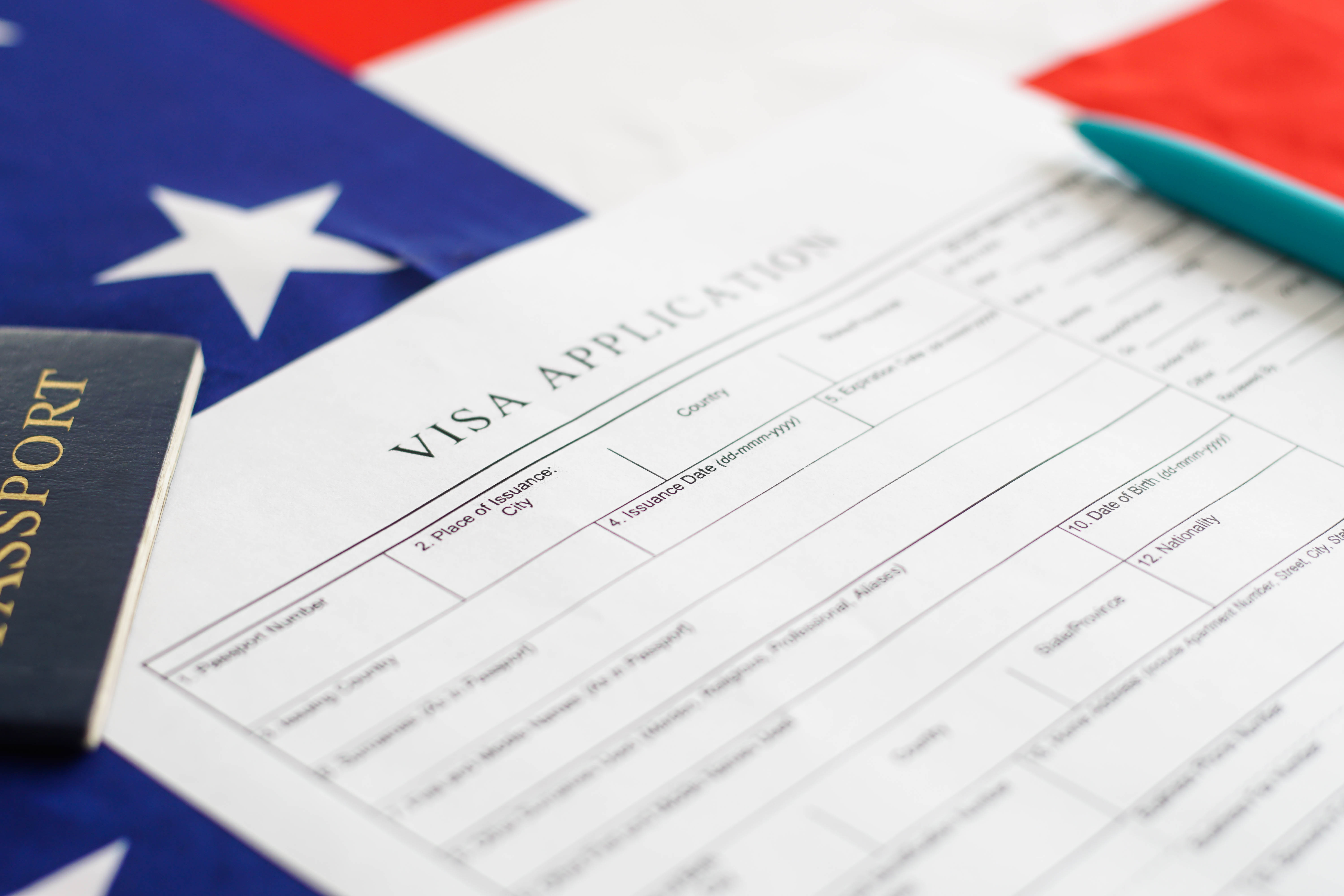
Learn how to apply for an F1 visa for the USA. Understand the DS-160 form, interview questions, documents checklist and full student visa timeline.
Applying for a student visa for the USA can feel like a test before your course even begins.
Between the DS-160 form, interview questions, document checks and tight timelines, it’s easy to worry about missing one small thing that delays everything. The good news is that the F1 visa process is structured and manageable once you understand what happens when, and why.
This guide walks you through the journey from requirements to DS-160 submission, interview preparation and common refusal reasons, so you can plan calmly and show up prepared.
What is an F1 visa?
The F1 visa is a non-immigrant student visa that allows international students to study full-time at accredited institutions in the United States. This includes universities, colleges and certain specialised programmes approved by the Student and Exchange Visitor Program (SEVP).
You can apply for an F1 visa once you receive an I-20 form from a SEVP-approved school and you can clearly explain how you’ll fund your studies.
Student visa for USA requirements
Before you start your application, make sure you meet the core student visa requirements.
You’ll typically need:
A valid passport, usually valid for at least 6 months beyond your intended stay
An I-20 issued by a SEVP-approved US institution
Proof that you can cover tuition plus living costs
Evidence of genuine academic intent
Clear ties to your home country
Meeting these requirements doesn’t guarantee approval, and that’s the point: they’re the baseline the officer expects before they even consider the details of your plan.
The F1 visa timeline: what to expect
Understanding the timeline helps you avoid last-minute stress, especially for popular intakes like Fall.
A typical F1 visa timeline looks like this:
University admission: January to March
I-20 issued: February to April
SEVIS fee paid: as soon as you receive your I-20
DS-160 form completed: the same week as SEVIS payment
Visa appointment booked: 1 to 6 weeks, depending on availability
Visa interview: May to July for Fall intake
Visa decision: often the same day or within a few working days
Start early if you can. Appointment availability is the piece you control the least.
DS-160 form: the foundation of your F1 visa application
The DS-160 form is the official online non-immigrant visa application used for F1 visas. Everything your visa officer sees before the interview comes from this form, so accuracy matters.
What is the DS-160 application?
The DS-160 collects information about your:
Personal background
Passport and travel history
University and programme
Funding sources
Security and background details
Your answers should match your documents and your interview responses. Small inconsistencies can create big distractions.
How to fill the DS-160 form correctly
Here’s a practical DS-160 guide for first-time applicants.
Personal informationEnter your name exactly as it appears on your passport. Avoid abbreviations or spelling variations.
Travel informationSelect F1 as your visa type. For your US address, your university address is acceptable if housing isn’t finalised.
Education detailsList all previous institutions accurately, including dates. Keep it consistent with your transcripts and CV.
Funding informationState clearly how you plan to fund your education, whether through savings, scholarships, family support or an education loan.*
Security questionsAnswer honestly and calmly. Most applicants answer “No” to the majority of questions.
You can save your DS-160 application and return later, which helps if you want time to double-check dates and names.
DS-160 confirmation page: don’t overlook this
Once you submit the form, you’ll receive a DS-160 confirmation page with a barcode.
You must print this page. It’s required for:
Booking your visa appointment
Entering the US consulate
Attending your visa interview
Without it, your interview won’t go ahead.
F1 visa documents checklist
Arrive at your interview organised. Bring originals and copies in a clear folder so you can find what you need quickly.
Mandatory documents
Passport
DS-160 confirmation page
Visa appointment confirmation
SEVIS fee receipt
I-20 form, signed by you
Financial documents
Bank statements
Scholarship or funding letters, if applicable
Education loan sanction letter, if using a loan*
Sponsor affidavit, if relevant
Academic documents
University offer letter
Academic transcripts and certificates
Standardised test scores, if required
A tidy folder sounds basic, yet it changes how you feel at the window. You’re answering questions, not scrambling for paper.
F1 visa interview questions and answers
The interview is usually short, often just a few minutes. The goal isn’t to trick you, it’s to confirm your plans are genuine, realistic, and consistent with what you submitted.
Common F1 visa interview questions
Why did you choose this university?Focus on the programme structure, faculty, curriculum, research fit, or career outcomes that align with your goals.
Why study in the USA?Talk about academic exposure, research opportunities or professional relevance. Keep it grounded. Avoid making it about lifestyle alone.
How will you fund your studies?Explain clearly and confidently, then let your documents do the heavy lifting.*
What are your plans after graduation?Show a clear connection between your US education and your future plans back home. This is where “intent” becomes real.
F1 visa interview tips that help
Keep answers short and direct
Maintain eye contact
Stay consistent with your DS-160 form
Avoid memorised scripts
Don’t volunteer extra information
You don’t need perfect answers. You need a coherent story.
F1 visa rejection reasons and how to avoid them
Many refusals happen under Section 214(b), which means the officer wasn’t convinced about intent or funding.
Common refusal reasons include:
Unclear funding sources*
Weak explanation of career goals
Inconsistent DS-160 information
Poor communication during the interview
Insufficient ties to your home country
If you’re refused, take a beat and diagnose the gap. Second attempts can go well when the underlying issue is fixed rather than rephrased.
Planning your finances alongside your visa
Your visa application and your funding plan are closely linked. A clear, realistic plan can make your overall application feel more credible and more prepared.*
If you’re exploring education loans as part of your funding mix, it helps to understand how timelines, documentation and university confirmation fit into your visa process.*
Final thoughts
The F1 visa process rewards preparation, honesty and clarity. When your DS-160 form, documents and interview answers tell the same story, you make it easier for the officer to assess your application.
Take it step by step. Start early. Thousands of students go through this process every year, and many of them start out feeling exactly like you do.
One clear next step
If you’re planning to fund part of your studies with an international student loan, you can check whether you’re eligible with Prodigy Finance and see how it fits into your overall study plan.*
Check your loan eligibility with Prodigy Finance*


